Bioswale Maintenance 101: Keeping Green Infrastructure Working


Bioswales are one of the most visible and effective forms of green infrastructure in MS4 programs, but only when they are properly maintained. Designed to slow, filter, and infiltrate stormwater runoff, bioswales rely on a balance of vegetation, soil structure, and hydraulic performance. Without routine upkeep, they can quickly lose capacity, clog with sediment, or become overgrown and ineffective. For municipalities working toward compliance and watershed health goals, bioswale maintenance is not optional, it is essential asset management.
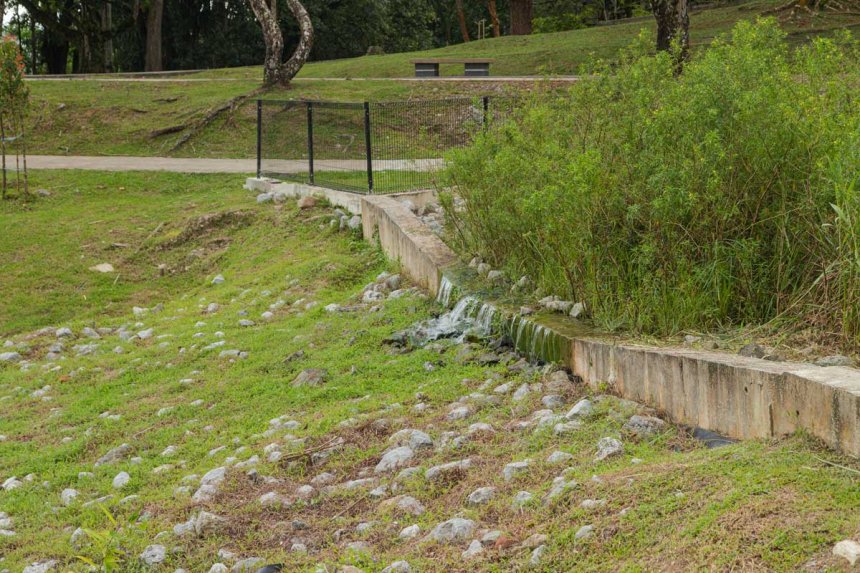
A well-maintained bioswale begins with a clear understanding of how it is supposed to function. Water should enter through curb cuts or sheet flow, spread evenly across the surface, infiltrate through engineered soils, and exit only during larger storm events. When sediment builds up, vegetation dies off, or flow paths become blocked, that process breaks down. Maintenance is about preserving that original design intent.
Sediment removal is one of the most critical and most overlooked tasks. Bioswales are designed to capture sediment, but that means they will gradually fill in over time. Excess sediment reduces storage volume, clogs soil pores, and can smother vegetation. Municipal crews should inspect inlets and low points regularly, especially after major storm events, and remove accumulated material before it hardens or becomes vegetated. In many cases, this is a simple shovel or vacuum operation, but if left unaddressed, it can require full rehabilitation of the swale.
Vegetation management is equally important. Bioswales are not just ditches with plants, they are engineered systems that depend on healthy, deep-rooted vegetation to promote infiltration and pollutant uptake. Dead or sparse areas should be replanted promptly, using species appropriate for the site’s moisture conditions and climate. At the same time, invasive species and woody growth must be controlled to prevent the system from becoming clogged or structurally compromised. Routine trimming should maintain visibility and flow paths without stripping the swale of its functional plant cover.
Inspection schedules provide the structure needed to keep maintenance consistent rather than reactive. At a minimum, bioswales should be inspected seasonally, with additional checks after significant rainfall events. Inspections should focus on inlet and outlet conditions, sediment accumulation, erosion, standing water, vegetation health, and any signs of bypassing or short-circuiting flow. Documenting these inspections is critical for MS4 compliance and helps municipalities demonstrate that their green infrastructure is being actively managed.
It is also important to recognize that bioswales function as part of a larger system. Road sand, winter salt, upstream construction, and adjacent landscaping practices all influence performance. Coordination between highway departments, stormwater managers, and contractors can reduce the maintenance burden by limiting what enters the system in the first place. Simple practices like improved street sweeping or stabilized construction entrances can significantly extend the life of a bioswale.
Ultimately, bioswale maintenance should be treated the same way as any other infrastructure asset. When municipalities track locations, schedule inspections, log maintenance activities, and budget for upkeep, bioswales continue to deliver water quality benefits year after year. When they are ignored, they quietly fail, often without immediate notice, until flooding, erosion, or regulatory issues arise. Keeping green infrastructure working is not about complex interventions, it is about consistent, informed attention to the basics.