Floating Wetlands, A Versatile Tool for Cleaner Water and Healthier Urban Ecosystems
Floating wetlands have become a valuable tool for communities trying to improve water quality, enhance habitat, and restore ecological function in places where traditional wetland restoration is not practical.


They mimic the natural processes of marsh plants while floating on the water’s surface, and they deliver meaningful benefits to lakes, ponds, stormwater basins, and slow moving rivers. For municipalities working under MS4 requirements or broader watershed protection goals, floating wetlands offer a flexible approach that can be installed in areas that lack the space or hydrologic conditions needed for rooted wetlands.
A floating wetland is a buoyant platform planted with native wetland vegetation. The platform, often made of recycled plastic or other durable materials, sits on top of the water while plant roots grow downward into the water column. These suspended roots act like natural filters. As water moves past and through the root mass, pollutants such as phosphorus, nitrogen, suspended solids, and even some heavy metals become trapped, absorbed, or transformed through microbial processes. These root networks also help oxygenate the surrounding water and provide a complex, shaded environment that supports fish, macroinvertebrates, and beneficial aquatic microbes.
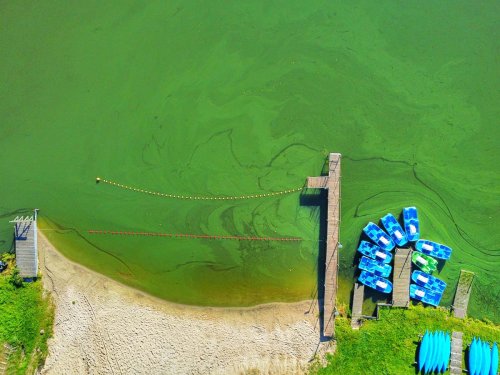
Water quality improvement is the central reason many communities install floating wetlands. Excess nutrients fuel algal blooms, reduce dissolved oxygen, and contribute to eutrophication in ponds and lakes. The dense root systems of floating wetlands provide an active site for biofilm growth, and this biofilm is where much of the nutrient uptake occurs. Microbes convert nitrogen into harmless atmospheric forms through denitrification, and they help trap phosphorus on the surfaces of roots and growing mats of organic material. Over time, the wetland plants harvest these captured nutrients as part of their growth cycle. If the plants are periodically trimmed or harvested, nutrients are physically removed from the water body.
Municipal stormwater ponds are a common setting for floating wetlands because these ponds often struggle with elevated nutrient loads from lawn runoff, fertilizers, and roadway wash. Stormwater basins were originally designed for detention rather than water quality, but floating wetlands help them function more like natural wetlands without requiring earthwork, dredging, or major reconstruction. By increasing biological activity, they stabilize water conditions, reduce algal outbreaks, and improve overall appearance. Many communities appreciate that floating wetlands add a natural aesthetic to what would otherwise be bare stormwater infrastructure.
Floating wetlands are also used in urban lakes, reservoirs, golf course ponds, and wastewater lagoons. In cities, they help offset the lack of natural shoreline vegetation by providing habitat for birds, turtles, amphibians, and beneficial insects. Fish fry find refuge among the hanging roots, and dragonflies use the plants as perches and breeding habitat, which helps control mosquito populations. In agricultural regions, floating wetlands can be placed in drainage ditches and retention ponds to intercept nutrient rich runoff before it reaches downstream rivers. Research installations have been used in wastewater treatment lagoons to help polish effluent and remove residual nutrients before discharge.
Another advantage of floating wetlands is their adaptability to water level fluctuations. Traditional wetlands can die off when long droughts or unexpected floods strike. Floating wetlands, however, rise and fall with the water surface, so plants remain at a stable moisture level. This makes them ideal for water bodies that experience seasonal drawdowns or unpredictable flows. Their flexibility also allows them to be anchored in precise locations where water quality improvement is most needed, such as near stormwater inflows or along areas prone to erosion.
Maintenance of floating wetlands is generally straightforward. Communities monitor plant health, replace damaged sections of the platform when needed, and occasionally harvest vegetation to prevent overcrowding or to improve nutrient removal. Anchoring systems must be inspected after major storms so that platforms do not drift into boat lanes or shoreline structures. In cold climates, floating wetlands are usually left in place because the platform can withstand seasonal ice, although some systems are removed and stored depending on manufacturer recommendations.
The ecological value of floating wetlands extends beyond water chemistry. They help rebuild some of the lost functions that once came from natural wetlands, including nutrient cycling, habitat diversity, and shoreline stabilization. They also serve as a visible demonstration of a community’s commitment to protecting water resources. Residents tend to appreciate the addition of flowering wetland plants, and public awareness programs often incorporate floating wetlands into local watershed education.
As municipalities explore innovative green infrastructure solutions, floating wetlands continue to gain attention. They work well in confined spaces, they avoid the heavy construction and permitting requirements of traditional wetland projects, and they support long term water quality goals. For MS4 communities that must demonstrate nutrient reduction efforts or address eutrophication concerns, floating wetlands offer a practical and cost effective tool that fits neatly into existing stormwater and watershed management strategies.