Paved Paradise: How Urbanization Impacts Watershed Health
Urbanization alters the way water moves through the landscape, and not in a good way. Increased runoff, pollution, habitat destruction, and water quality issues are just some of the consequences. But with thoughtful design and sustainable practices, communities can grow without sacrificing the health of the watersheds that support them.

As cities grow and suburbs sprawl, urbanization continues to reshape the landscape, but not without consequences for the environment. One of the most significant, yet often overlooked, casualties of unchecked development is watershed health.
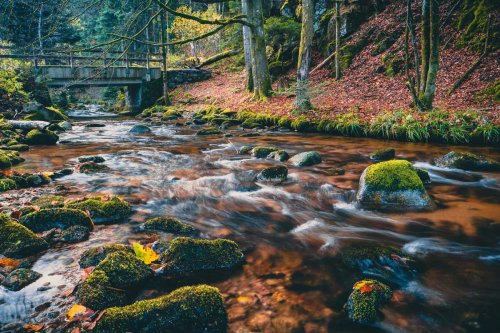
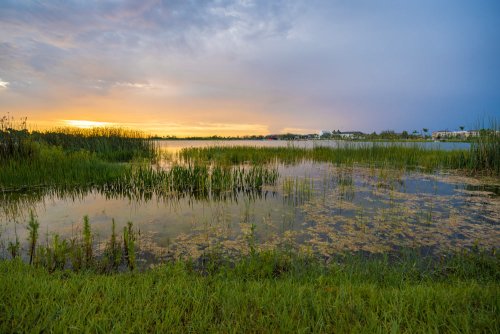
A watershed is an area of land where all the rainwater drains into a common outlet, like a stream, lake, or river. When that land is natural and undeveloped, the soil, trees, and plants soak up rainwater, slow it down, and filter out pollutants before it ever reaches a waterbody. But once urbanization sets in, everything changes.
Impervious Surfaces and Runoff
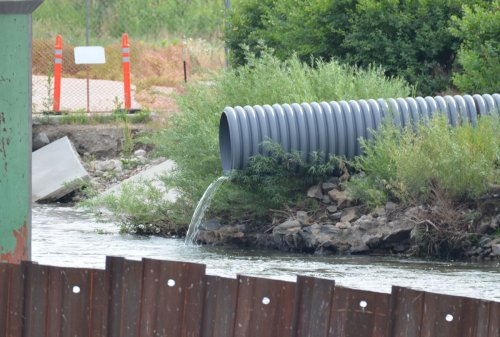
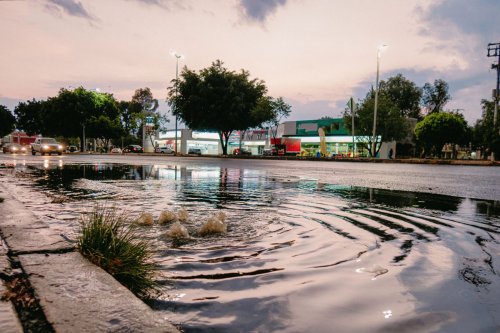
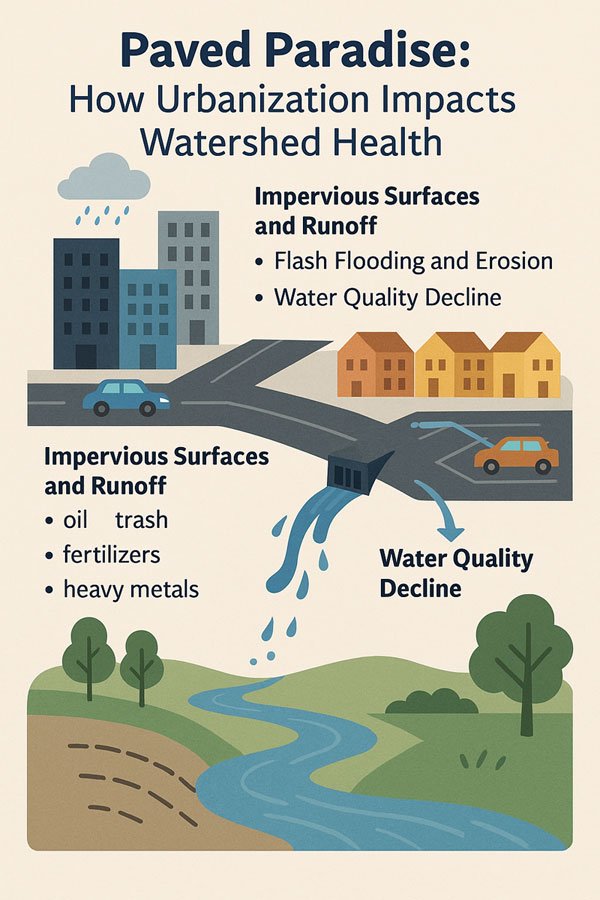
Urban areas are full of impervious surfaces. Think rooftops, roads, parking lots, and sidewalks. These hard surfaces don’t absorb water. Instead, rainwater races across them, picking up oil, trash, fertilizers, heavy metals, and other pollutants along the way. This runoff is then funneled directly into storm drains, which lead straight into nearby waterways, unfiltered.
Flash Flooding and Erosion
In a natural watershed, rainfall is absorbed slowly into the ground. In a city, that same rainfall turns into stormwater surges. These sudden flows can overwhelm local streams, causing flash flooding, bank erosion, and the destruction of aquatic habitats. Over time, this erodes not only stream banks but also the overall quality of the water and the land around it.
Water Quality Decline
All that fast-moving runoff doesn’t just cause physical damage—it pollutes. Urban runoff can carry harmful substances like:
- -Pesticides from lawns
- -Motor oil and antifreeze from roads
- -Salt from winter road treatment
- -Detergents and chemicals from improper disposal
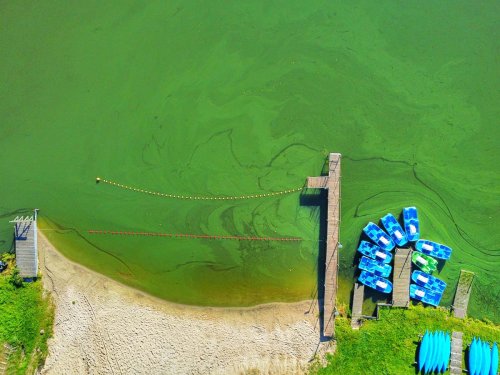
This cocktail of contaminants ends up in our lakes, rivers, and coastal waters, making it unsafe for swimming, fishing, or even drinking in some cases.
Temperature Changes
Urban areas also experience the “urban heat island” effect. When rainwater flows over sun-heated asphalt, it picks up that heat and raises the temperature of streams and rivers. Warmer water holds less oxygen and stresses aquatic life, throwing delicate ecosystems out of balance.
Loss of Green Space
With every new development, there’s often a loss of trees, wetlands, and open spaces that once acted as natural sponges and filters. Riparian buffers - vegetated areas along waterways - are often removed or damaged during construction, leaving streams exposed and vulnerable.
What Can Be Done?
Urbanization isn’t going away, but it can be managed responsibly. Solutions like:
- -Green infrastructure (rain gardens, permeable pavements, green roofs)
- -Stormwater detention basins
- -Tree planting and conservation
- -Smart zoning and planning
…can all help maintain watershed health while still allowing room for growth.
Urbanization alters the way water moves through the landscape, and not in a good way. Increased runoff, pollution, habitat destruction, and water quality issues are just some of the consequences. But with thoughtful design and sustainable practices, communities can grow without sacrificing the health of the watersheds that support them.