Adirondack Watershed Institute: Safeguarding the Health of New York’s Freshwater Systems
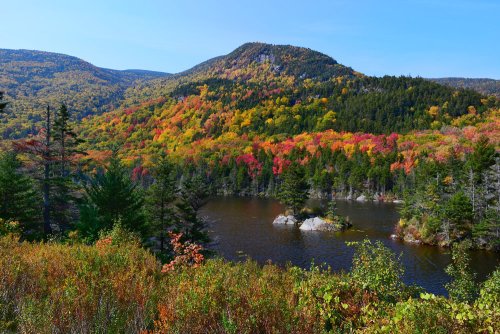
The Adirondack Watershed Institute, often referred to as AWI, has become one of the most important environmental organizations working to protect New York’s lakes, rivers, and wetlands. Based at Paul Smith’s College in the northern Adirondacks, AWI blends scientific research, on-the-ground stewardship, and community engagement to confront the threats facing one of the largest protected landscapes in the United States. For municipalities operating within or adjacent to the Adirondack Park, and for MS4 communities that rely on clean water and healthy watersheds, AWI’s work provides essential data, training, and stewardship practices that directly support local compliance and long-term environmental health.


Mission and Purpose
AWI’s mission is straightforward: protect clean water, conserve natural ecosystems, and support communities throughout the Adirondack region. They approach this mission through a combination of research, education, and applied watershed protection programs that respond to the unique conditions of the Adirondacks. Although the park is largely forested and sparsely populated, it faces significant pressures from recreation, road salt, invasive species, and the spread of development along lakeshores. AWI focuses on these vulnerabilities with the goal of preventing degradation before it becomes irreversible.
A Collaborative Organization
While AWI is headquartered at Paul Smith’s College, the organization brings together a diverse team of scientists, students, seasonal field staff, local governments, nonprofit partners, and community volunteers. The institute employs experts in limnology, aquatic biology, ecology, watershed science, and environmental policy. These researchers supervise one of the largest field programs of any watershed organization in the Northeast, especially during the summer season when boat stewards, water quality technicians, and invasive species survey crews are deployed throughout the region.
Municipal governments, lake associations, and regional agencies also play an important part in AWI’s work. Because water quality threats are shared across jurisdictions, AWI frequently partners with towns, counties, and state agencies such as the New York State Department of Environmental Conservation and the Adirondack Park Agency. Their programs help local governments meet environmental responsibilities in practical, affordable ways, particularly for small towns that lack internal scientific staff.
Protecting Against Aquatic Invasive Species
AWI’s most visible program is the Adirondack Aquatic Invasive Species Prevention Program. This region-wide effort places trained stewards at public boat launches to inspect watercraft, educate boaters, and prevent the spread of invasive plants and animals between lakes. These stewards are often the first line of defense against species such as Eurasian watermilfoil, zebra mussels, spiny water flea, and hydrilla. By intercepting potential invasions early, AWI helps protect entire lake ecosystems from disruption and saves communities millions of dollars in future management costs.
The program also includes decontamination stations where staff use hot-water, high-pressure washing equipment to clean hulls, trailers, and live wells. These stations are strategically located in high-traffic areas, and their use is voluntary but strongly encouraged. In recent years, the stewardship program has grown to cover dozens of sites, creating one of the most comprehensive invasive species prevention networks in the country.
Scientific Monitoring and Water Quality Research
Another central component of AWI’s mission is scientific monitoring. The institute conducts long-term water quality tests on many Adirondack lakes, including measurements of nutrients, temperature, chloride concentrations, dissolved oxygen, and biological indicators. These data sets help identify trends that may otherwise go unnoticed by municipalities or lake associations, including subtle chemical shifts that signal early eutrophication or salt accumulation.
AWI researchers also study the effects of road salt contamination in the Adirondacks, an issue of increasing concern for MS4 communities and highway departments. Their findings show clear correlations between heavy winter salt application and rising chloride levels in streams and lakes, particularly near state and county highways. This research has directly informed local salt reduction campaigns, winter road maintenance training programs, and statewide policy discussions about the environmental and economic costs of excessive salt use.
Education and Training
Education is another major pillar of AWI’s work. The institute provides workshops, field courses, and technical training for municipal officials, lake association members, and students. These sessions often focus on lake ecology, invasive species management, water sampling techniques, watershed planning, and best practices for reducing road salt. Through these programs, AWI equips local leaders with the knowledge needed to meet regulatory requirements and implement effective watershed protection strategies.
For students at Paul Smith’s College, AWI provides hands-on opportunities that connect classroom learning to real fieldwork. Many students gain experience working as boat stewards or research assistants, and some continue on to careers in environmental science, government, or nonprofit conservation work.
Community Engagement and Stewardship
Protecting water resources in a region as large as the Adirondacks requires the involvement of local communities. AWI fosters this community stewardship by supporting lake associations, helping towns develop watershed management plans, and offering public education programs that explain how everyday behaviors affect water quality. These outreach efforts encourage residents and visitors to adopt practices that protect waterways, such as proper septic maintenance, responsible shoreline development, and adherence to “clean, drain, dry” protocols for watercraft.
Supporting Municipal Priorities
For towns and MS4 communities, AWI’s contributions are especially valuable. Their monitoring data, research findings, and training programs support local compliance with water quality standards and provide evidence-based guidance for protecting lakes and streams. Highway departments benefit from AWI’s road salt research because it helps justify operational changes that maintain public safety while reducing environmental damage and long-term costs.
The Adirondack Watershed Institute stands at the center of freshwater protection in northern New York. Through rigorous science, widespread stewardship, and partnerships that span municipal, nonprofit, and educational sectors, AWI works to ensure that the region’s waters remain clean, resilient, and healthy for generations to come. For communities within the Adirondack Park and beyond, AWI offers a model of how collaborative, science-driven watershed protection can create lasting environmental benefits.
Visit the Adirondack Watershed Institute here.